 How to read Quran
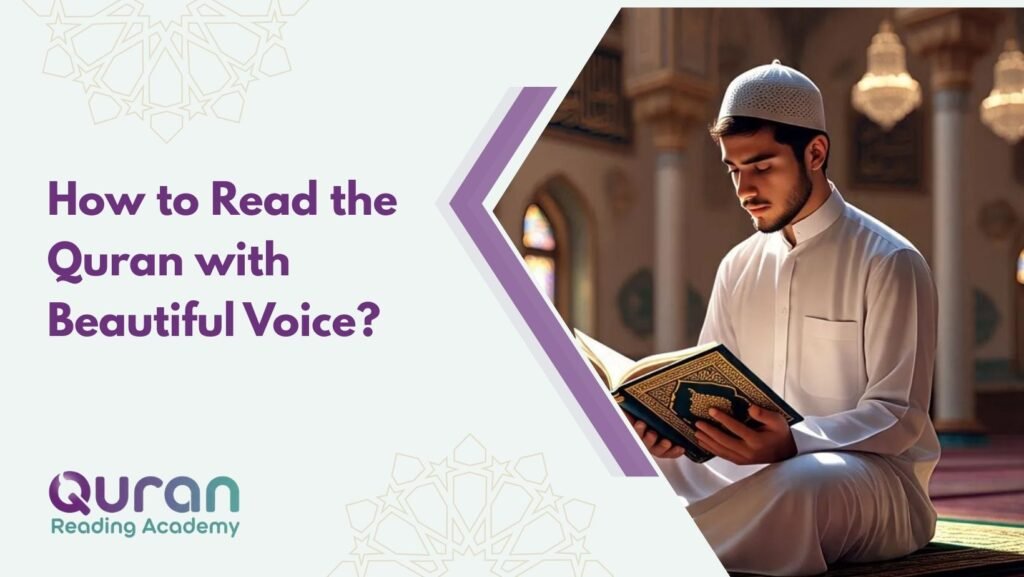
Most people remember the first time a recitation stopped them cold—maybe a quiet Maghrib prayer, maybe a recording of Surah Maryam late at night. The voice wasn’t flashy. It was steady, careful, and somehow carried the words further than sound alone should.
Reading the Quran with a beautiful voice comes down to fundamentals done well: correct letter articulation, disciplined Tajweed, controlled breathing, and restrained melodic variation. It’s a skill built slowly, shaped by listening, correction, and repetition—not by natural vocal talent or imitation alone.
1. Understand What Makes Quran Recitation Beautiful
Beautiful Quran recitation combines correct pronunciation, proper Tajweed application, and natural melodiousness. It’s not simply about having a naturally pleasant singing voice.
The Prophet Muhammad (peace be upon him) said:
“Beautify the Quran with your voices, for a beautiful voice increases the Quran in beauty.” (Sahih)
True beauty in Quranic recitation emerges when you master Arabic letter articulation points, apply Tajweed rules correctly, and recite with appropriate rhythm and tone modulation.
At The Quran Reading Academy, our Online Quran Reading Course with Tajweed helps students develop this foundational understanding through personalized instruction with certified Qaris.
Start Reading the Quran With Tajweed Today

Read Also: How to Read the Quran?
2. Master Arabic Letter Pronunciation to Read the Quran with Beautiful Voice
Correct pronunciation forms the foundation of beautiful recitation. Each Arabic letter has specific articulation points called Makharij that determine its unique sound quality.
Articulation Points for Clear Quranic Reading
Letters pronounced from the throat (حروف الحلق) include ء، ه، ع، ح، غ، and خ. These require specific throat positioning that non-Arabic speakers often struggle with initially.
Letters from the tongue’s tip produce distinct sounds. The letter ر requires slight rolling, while ل demands tongue-to-palate contact. Mastering these differences dramatically improves recitation beauty.
Lip letters (ب، م، و، ف) need proper lip shaping. Many beginners flatten these sounds, reducing the Quran’s natural melodiousness.
Common Pronunciation Mistakes That Reduce Voice Beauty
Confusing similar letters like ص and س, or ض and ظ, disrupts recitation flow. These pairs sound similar to untrained ears but have completely different articulation points.
Rushing through heavy letters (حروف مفخمة) like ط، ظ، ص، and ض removes their characteristic depth. These letters should resonate with fullness, adding richness to your voice.
Working with qualified Quran tutors at The Quran Reading Academy through our Noorani Qaida Course provides the individualized attention needed to master these nuances with flexible scheduling available 24/7.
Start Reading the Quran Today with Our Noorani Qaida Course

3. Apply Proper Tajweed Rules
Tajweed rules aren’t optional decorations—they’re essential for beautiful recitation. They govern vowel lengths, letter characteristics, and pronunciation precision that transform mechanical reading into melodious recitation.
Vowel Elongation Rules for Melodious Recitation
The three elongation types (Madd) directly affect voice beauty. Natural elongation (Madd Asli) extends vowels for two counts, creating rhythmic flow.
Compulsory elongation (Madd Wajib) requires 4-5 counts when hamza follows the elongated letter. Permissible elongation (Madd Ja’iz) allows 2, 4, or 6 counts based on recitation style.
Example:
“وَلَا ٱلضَّآلِّينَ”
Wa lad-daalleen
“Nor of those who have gone astray.” (Al-Fatihah 1:7)
The elongation in “الضَّآلِّينَ” (daalleen) creates natural melodiousness when extended properly.
Nasalization and Stopping Techniques for Beautiful Voice Quality
Ghunnah (nasalization) adds depth to your recitation. When ن or م appear with shaddah or in specific combinations, pronounce them nasally for two counts.
Proper stopping points (Waqf) maintain meaning while allowing natural breathing. Beautiful reciters never break mid-meaning, preserving both accuracy and melodiousness.
Read Also: How to Remember Quran Verse Numbers?
Shots Videos from Our Courses
Start Your Quran Learning Journey Today
Join Quran Reading Academy and begin structured, step-by-step Quran reading with expert guidance.
Try your first class for free4. Develop Breath Control
Breath management separates amateur readers from skilled reciters. Proper breathing enables sustained phrases, controlled volume, and consistent voice quality throughout recitation.
Breathing Exercises for Quranic Recitation
Practice diaphragmatic breathing daily. Place your hand on your abdomen and breathe deeply until it expands. This technique provides the air reservoir needed for long verses.
Inhale through your nose during natural pause points marked in the Quran. Never break mid-word or mid-phrase just because you’ve run out of breath.
Control your exhalation rate. Release air steadily throughout each phrase rather than rushing or gasping. This maintains even tone and prevents voice strain.
Strategic Pause Points for Voice Sustainability
Learn the difference between compulsory stops, permissible stops, and prohibited stops. Strategic pausing at correct points maintains both meaning and voice beauty.
Short verses allow complete recitation in one breath. For longer verses, identify minor pause points where brief breathing won’t disrupt meaning or melodiousness.
5. Practice Voice Modulation
Voice modulation means varying your pitch, tone, and pace appropriately. This isn’t theatrical performance—it’s respectful expression of the Quran’s diverse emotional content.
Understand Maqamat Basics for Melodious Recitation
While full Maqamat mastery requires years, beginners can apply basic melodic variation. Raise your pitch slightly for verses discussing paradise or Allah’s blessings.
Lower your tone modestly when reciting verses about punishment, warnings, or serious matters. This natural variation adds appropriate emotional resonance without exaggeration.
Maintain moderate pace (Hadr) initially. Neither rush through verses nor drag them out unnaturally. Natural rhythm emerges from correct Tajweed application, not forced slowness.
Avoid Common Voice Modulation Mistakes
Never sacrifice pronunciation accuracy for melody. Beautiful voice without correct Tajweed is meaningless, while correct Tajweed naturally produces beauty even with average vocal quality.
Avoid excessive emotional displays that distract from the Quran’s message. Your goal is to convey Allah’s words beautifully, not showcase vocal acrobatics.
6. Listen Regularly to Expert Reciters to Read the Quran with Beautiful Voice
Active listening to master Qaris accelerates your development significantly. This practice trains your ear to recognize proper pronunciation, appropriate modulation, and Tajweed application.
Recommended Reciters for Western Muslim Learners
Sheikh Mishary Rashid Alafasy offers clear, moderate-paced recitation ideal for beginners. His pronunciation clarity makes following along with the Arabic text easier.
Sheikh Abdul Rahman Al-Sudais provides slightly slower recitation with beautiful voice modulation. His style demonstrates how Tajweed rules create natural melodiousness.
Sheikh Muhammad Siddiq Al-Minshawi represents classical recitation with full Maqamat application. Advanced students benefit from studying his technique once basics are mastered.
Active Listening Techniques for Skill Development
Don’t just play recitation in the background. Sit with the mushaf open, following each word while listening. Notice where the reciter elongates, pauses, and modulates.
Repeat short verses immediately after hearing them. Try matching the reciter’s pronunciation, rhythm, and tone. Record yourself and compare honestly.
The Quran Reading Academy’s Quran Recitation Course offers step-by-step guidance for students who are developing their listening skills and recitation imitation, ensuring proper foundation from day one.
Our Students Reviews
Start Your Quran Learning Journey Today
Join Quran Reading Academy and begin structured, step-by-step Quran reading with expert guidance.
Try your first class for freeJoin Our Quran Recitation Course with a Free Trial

Start Reading the Quran with Beautiful Voice at The Quran Reading Academy
Learning to read the Quran with beautiful voice requires proper guidance, systematic practice, and expert feedback that self-study cannot provide.
The Quran Reading Academy offers comprehensive Quran reading instruction specifically designed for Western Muslims at all levels:
- Certified Qaris with expertise in teaching non-Arabic speakers
- Personalized 1-on-1 online sessions tailored to your current level and goals
- Flexible scheduling available 24/7 to accommodate Western time zones
- Structured curriculum progressing from basic letter recognition through advanced Tajweed application
- Regular assessment and feedback ensuring continuous improvement in pronunciation and voice quality
Whether you’re absolute beginner learning Arabic letters or intermediate reader refining your Tajweed, our Quran Reading Classes provide the expert instruction needed to develop truly beautiful recitation.
Check out our top courses to help you read the Quran with confidence:
- Quran Reading Course With Tajweed
- Noorani Qaida Course
- Quran Reading Course for Beginners
- Quran Reading Classes for Adults
- Quran Reading Classes for Sisters
- Quran Reading Classes for Kids
- Quran Hifz Course
- Arabic Reading Practice Course
- Quranic Arabic Course
Book your free class today—it’s the perfect start to learning the Quran

Conclusion
A pleasant recitation doesn’t begin with melody. It begins with accuracy. When makharij are clear and Tajweed rules are applied without shortcuts, the voice settles into a natural rhythm that carries the meaning instead of competing with it.
Breath control and pacing keep the recitation intact from start to finish. Knowing where to pause, where to extend, and where not to breathe protects both the meaning of the ayah and the stability of the voice.
Listening to skilled reciters, then practicing under qualified correction, ties everything together. Over time, the voice softens, mistakes reduce, and the recitation gains calm confidence—the kind that draws attention to the Quran itself, not the reader.
Related Articles
How to read Quran







Leave a Reply