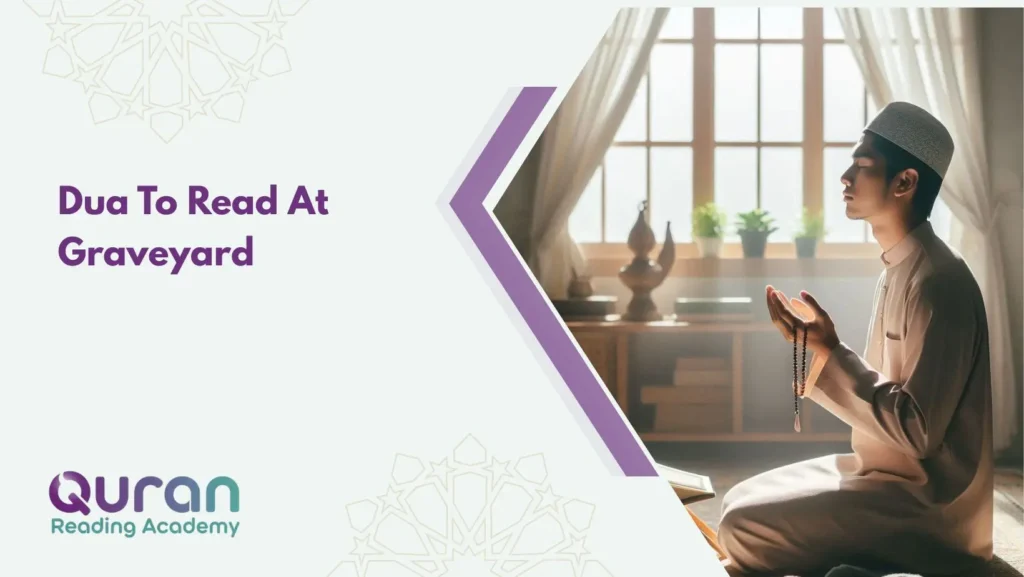
Making dua at the graveyard is a powerful act of mercy and remembrance in Islam. Many Muslims often search for what to read when someone dies in Islam, what to read when someone passes away in Islam, or what to read when visiting the grave Islam. The answer is simple and deeply rooted in Islamic teachings: sincere dua for the deceased is one of the most beneficial acts you can offer.
Supplication benefits the deceased by raising their ranks, bringing forgiveness, and providing comfort in their graves. It is also considered a form of ongoing charity (sadaqah jariyah), making it highly recommended to remember the dead through heartfelt prayers.
What to Read When Someone Dies in Islam?
When someone passes away, many people wonder what to read when someone passes away in Islam. The most important thing is to make dua asking Allah for mercy, forgiveness, and ease for the deceased.
The Prophet ﷺ encouraged المسلمين to pray for the deceased, especially after burial. He said:
“Ask forgiveness for your brother and ask that he be made steadfast, for he is now being questioned.” (Reported by Abu Dawood)
This shows that the best thing to read is dua—not long texts or specific rituals, but sincere supplication.
Start Your Quran Learning Journey Today
Join Quran Reading Academy and begin structured, step-by-step Quran reading with expert guidance.
English Meaning: O Allah, forgive him, have mercy on him, pardon him, grant him ease, honor his place of rest, and expand his grave. Purify him from sins and admit him into Paradise.
Reading dua at the graveyard is not only about knowing the words to say, but also about reciting them with sincerity, clarity, and proper pronunciation. For many Muslims, learning how to read Quran and authentic duas correctly can deepen the spiritual meaning of these moments and make acts of worship more powerful and rewarding.
If you want to improve your recitation and feel more confident when reading Quranic verses or Islamic supplications, a structured learning path can make a real difference. The Online Quran Reading Course with Tajweed at The Quran Reading Academy helps students move beyond basic reading and develop accurate, beautiful recitation based on authentic Tajweed rules.
Ready to improve your Quran recitation and read with proper Tajweed? Join the Online Quran Reading Course with Tajweed at The Quran Reading Academy and start learning with confidence today.
What to Read When Visiting the Grave in Islam
Many people also search for what to read when visiting the grave Islam or what to read when visiting grave Islam. The Sunnah teaches that visiting graves is a time for reflection and dua—not reciting long fixed texts.
Sunnah Practice When Visiting the Grave
The Prophet ﷺ would stand at the grave and make dua for the deceased. This confirms that the best thing to do is:
Make dua for forgiveness
Ask Allah to grant mercy
Pray for their steadfastness
Start Your Quran Learning Journey Today
Join Quran Reading Academy and begin structured, step-by-step Quran reading with expert guidance.
These three duas cover everything a believer needs when standing at a grave — asking Allah for forgiveness, protection from punishment, and elevation in rank. They are short, proven supplications from the Sunnah that turn a moment of grief into an act of worship for the one you have lost.
1. Dua for Mercy and Forgiveness
Arabic: اللهم اغفر له وارحمه، وعافه واعف عنه…
English Meaning: O Allah, forgive him, have mercy on him, grant him ease, and expand his grave.
2. Dua for Protection from Punishment
Arabic: اللهم إن فلان ابن فلان في ذمتك…
English Meaning: O Allah, protect him from the punishment of the grave and the Fire, and grant him mercy.
3. Dua for Raising Rank
Arabic: اللهم اغفر له وارفع درجته…
English Meaning: O Allah, forgive him, raise his rank, and increase his reward.
Quranic Reminder of Allah’s Mercy and Forgiveness
Allah says in the Qur’an: “And He pardons much.” (Surah Ash-Shura 42:30)
This verse is a powerful reminder that Allah’s mercy is greater than our sins. When we make sincere dua for the deceased, we place our hope in His endless forgiveness, mercy, and compassion. It reminds us that no soul is beyond Allah’s pardon, and that even a simple heartfelt supplication can be a means of comfort and forgiveness for the one who has passed away.
“When a person dies, his deeds come to an end except for three: ongoing charity, beneficial knowledge, or a righteous child who prays for him.” (Reported by Muslim)
Our Students Reviews
Start Your Quran Learning Journey Today
Join Quran Reading Academy and begin structured, step-by-step Quran reading with expert guidance.
If you want to truly understand the meaning of dua and learn what to read for the deceased in Islam with proper pronunciation and guidance, joining a structured Quran program can make a big difference.
At The Quran Reading Academy, you can learn how to recite the Qur’an correctly, understand authentic Islamic supplications, and strengthen your connection with Allah through qualified teachers and flexible online classes.
Whether you are a beginner or looking to improve your recitation, these courses will help you gain confidence in reading the Qur’an and making dua—especially in important moments like visiting the graveyard or remembering your loved ones.
Ready to learn Quran recitation and authentic duas with proper guidance? Explore the online courses at Quran Reading Academy and start your journey today.
Conclusion
In Islam, remembering the deceased through sincere dua is one of the greatest acts of kindness. Whether you are searching for what to read when someone dies in Islam, what to read when someone passes away in Islam, or what to read when visiting the grave Islam, the answer remains the same: make dua.
These supplications are a source of mercy, forgiveness, and elevation for the deceased. Even a simple dua said with sincerity can make a powerful difference in the Hereafter.
Start Your Quran Learning Journey Today
Join Quran Reading Academy and begin structured, step-by-step Quran reading with expert guidance.
 Dua
Dua







Leave a Reply