 Quran Reading manners
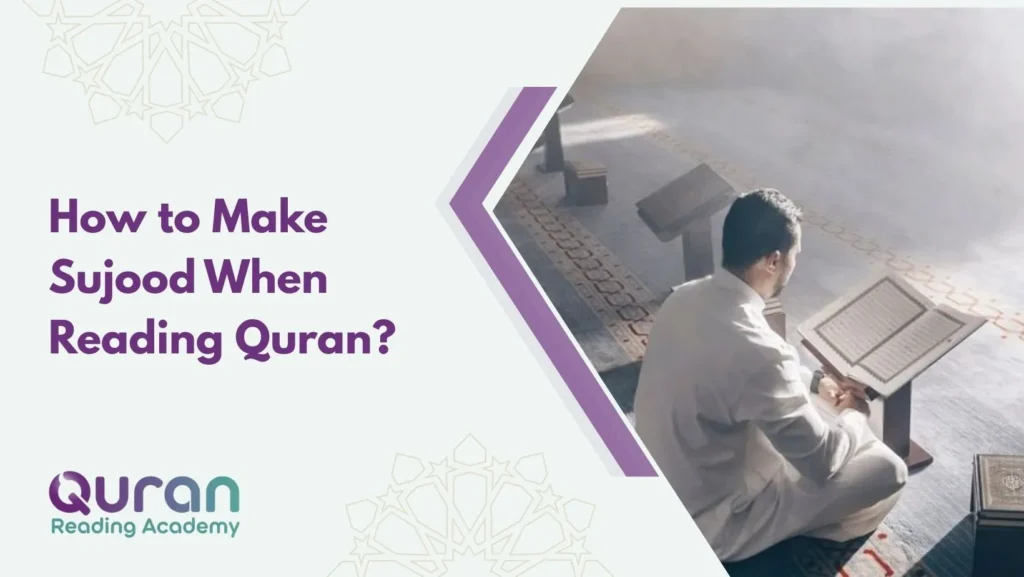
Moments in the Quran gently invite the believer to pause—not just with the tongue, but with the body and heart. Among these sacred pauses is sujood al-tilawah, a prostration that transforms recitation into embodied devotion and deepens the rhythm of worship.
Sujood al-tilawah is performed when reciting or hearing specific verses of prostration in the Quran. Most scholars consider it Sunnah, while the Hanafi school deems it obligatory. It involves saying “Allahu Akbar,” prostrating with a prescribed supplication, then rising without tasleem, observing scholarly rulings on purity, timing, and direction.
What is Sujood al-Tilawah?
Sujood al-Tilawah is the prostration performed when reciting or hearing a verse of prostration. Scholars differ on whether it’s obligatory or recommended. The majority view it as Sunnah, while Hanafi scholars consider it obligatory.
The Prophet Muhammad (peace be upon him) sometimes performed it and sometimes left it. This indicates flexibility in practice.
Umar ibn al-Khattab (may Allah be pleased with him) stated: “O people, we pass by the verses of prostration. Whoever prostrates has done well, and whoever leaves it, there is no sin upon him.” (Sahih al-Bukhari)
If you’re beginning your Quran reading journey, The Quran Reading Academy’s Quran Reading Classes provide expert guidance on these practical matters. Our certified instructors teach proper recitation etiquette alongside Tajweed fundamentals.
Enroll in Our Quran Reading Course for Beginners with a Free Trial

Read also: Quran Reading Etiquettes and Manners
How to Make Sujood When Reading Quran?
When you reach a verse of prostration, begin by saying “Allahu Akbar” (Allah is the Greatest). Lower yourself into prostration immediately, placing your forehead on the ground. Your nose should also touch the ground along with your forehead.
In prostration, recite the authentic supplication: “Sajada wajhiya lillathi khalaqahu wa shaqqa sam’ahu wa basarahu bi hawlihi wa quwwatih” (My face has prostrated to the One Who created it and brought forth its hearing and sight by His power and might).
Al-Hakim’s narration adds: “Fatabarak Allahu ahsanul khaliqin” (So blessed is Allah, the best of creators). This additional phrase enriches your supplication during prostration.
Raise yourself while saying “Allahu Akbar” again. The Prophet (peace be upon him) made takbir (saying Allahu Akbar) for every lowering and raising. No tasleem (saying salam) is required after this prostration according to the correct opinion.
Start Your Quran Learning Journey Today
Join Quran Reading Academy and begin structured, step-by-step Quran reading with expert guidance.
Try your first class for freeWhen to Perform Sujood While Reading Quran?
There are fourteen or fifteen verses of prostration in the Quran, depending on the scholarly opinion. You should prostrate immediately upon reciting these verses. The same applies when you hear someone else recite them during prayer or outside it.
These verses occur in Surahs: Al-A’raf, Ar-Ra’d, An-Nahl, Al-Isra, Maryam, Al-Hajj (two prostrations), Al-Furqan, An-Naml, As-Sajdah, Sad, Fussilat, An-Najm, Al-Inshiqaq, and Al-Alaq. Mark these locations in your Mushaf for easy identification during recitation practice.
Is The Purity a Requirement for Sujood When Reading Quran?
Scholars disagree about whether ablution (wudu) is necessary for prostration of recitation. This difference stems from whether they classify it as prayer. Those who view it as prayer require purity; others permit it without ablution.
Ibn Umar (may Allah be pleased with him) performed prostration without ablution. This narration appears in Sahih al-Bukhari. However, performing it with purity remains preferable and more cautious. This represents the safer opinion for those seeking certainty.
Start Your Quran Learning Journey Today
Join Quran Reading Academy and begin structured, step-by-step Quran reading with expert guidance.
Try your first class for freeRead also: Where to Stop While Reading Quran?
Is it Permisiible to Perform Sujood During Forbidden Prayer Times When Reading Quran?
You may perform prostration of recitation during times when regular prayers are prohibited. This represents the verified opinion of leading scholars. These times include: after Fajr prayer until sunrise, when the sun reaches its zenith, and after Asr until sunset.
The reason for this permission is that prostration of recitation has a direct cause—reciting the verse. Acts with immediate causes remain permissible even during restricted times. This differs from voluntary prayers without specific reasons.
If you recite during these times and encounter a prostration verse, proceed with the prostration confidently. Your recitation journey shouldn’t be interrupted by these timing considerations. The Online Quran Reading Course with Tajweed teaches these practical rulings alongside proper recitation techniques.
Start Reading the Quran With Tajweed Today

Direction and Position for Sujood When Reading Quran
Face the Qiblah (direction of Kaaba in Makkah) when performing prostration of recitation. This follows the general ruling that all acts of worship involving prostration require facing the Qiblah. Ensure your position allows proper prostration with forehead and nose touching the ground.
You may perform this prostration while sitting if standing becomes difficult. The key requirement is lowering yourself in the recognized form of Islamic prostration. Your hands, knees, and toes should also contact the ground properly.
Women follow the same rulings as men for this prostration. The manner of prostration remains identical, maintaining modesty through proper covering. Both genders benefit from understanding these technical details through structured learning programs.
Start Your Quran Learning Journey Today
Join Quran Reading Academy and begin structured, step-by-step Quran reading with expert guidance.
Try your first class for freeStart Your Quran Reading Journey with The Quran Reading Academy
Understanding how to make sujood when reading Quran enriches your recitation practice and connects you to prophetic
tradition. These rulings demonstrate Islam’s balance between obligation and flexibility.
The Quran Reading Academy offers comprehensive programs for every level. Our certified instructors provide personalized guidance through our Noorani Qaida Course, Quran Tajweed Course, and specialized reading programs. We understand the challenges Western Muslims face and address them with patient, expert instruction.
Check out our top courses to help you read the Quran with confidence:
- Quran Reading Course With Tajweed
- Noorani Qaida Course
- Quran Reading Course for Beginners
- Quran Reading Classes for Adults
- Quran Reading Classes for Sisters
- Quran Reading Classes for Kids
- Quran Hifz Course
- Arabic Reading Practice Course
- Quranic Arabic Course
Book your free class today—it’s the perfect start to learning the Quran

Conclusion
Sujood al-tilawah reflects the Quran’s call to humble submission. With fourteen or fifteen designated verses, the practice is triggered immediately upon recitation or hearing, accompanied by takbir, prostration, and authentic supplication—without tasleem afterward.
Scholarly differences allow flexibility. While many classify it as Sunnah, others consider it obligatory. Purity is preferred though debated, and it remains permissible even during otherwise restricted prayer times due to its direct cause.
Facing the Qiblah and performing proper prostration complete the act. Whether seated or standing, men and women follow the same method, ensuring the forehead and nose touch the ground in sincere, mindful devotion.
Related Articles
Quran Reading manners

Leave a Reply