 benefits of reading quran
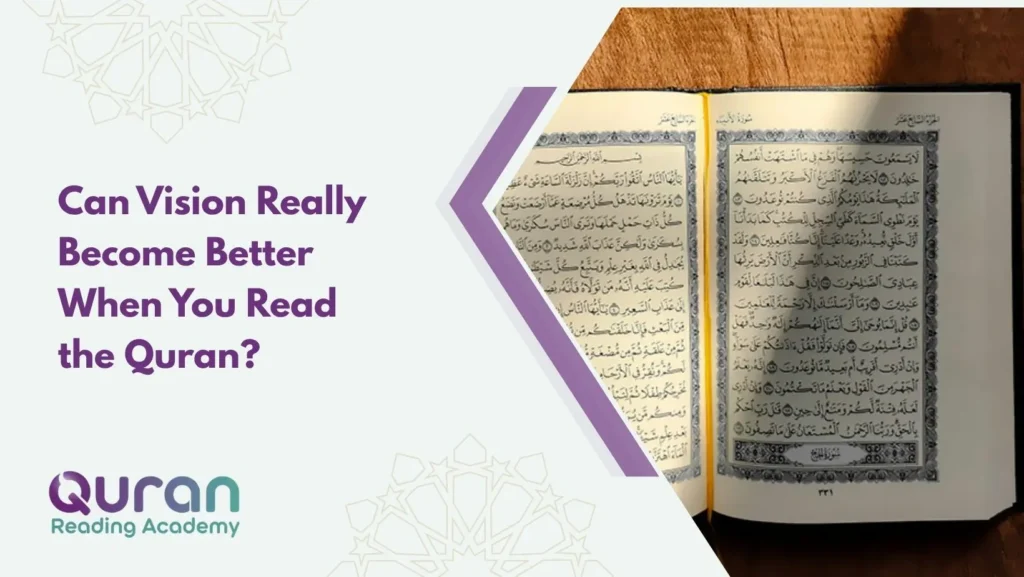
Many Muslims have reported something remarkable — their eyesight felt clearer, their focus sharpened, and eye strain reduced after consistent Quran reading sessions. These observations raise a fascinating question that sits at the intersection of faith, habit, and physical well-being.
Vision becomes better when you read the Quran — and while this may sound surprising, there are documented Islamic teachings, practical reading mechanics, and behavioral patterns that support this claim. Understanding how this works can completely change how you approach your daily recitation practice.
The Quran is Healing
Islamic tradition has long affirmed that the Quran carries healing properties beyond the spiritual. Allah says in the Quran:
وَنُنَزِّلُ مِنَ ٱلْقُرْءَانِ مَا هُوَ شِفَآءٌ وَرَحْمَةٌ لِّلْمُؤْمِنِينَ
Wa nunazzilu minal-Qur’āni mā huwa shifā’un wa raḥmatun lil-mu’minīn
“And We send down the Quran which is healing and mercy for the believers.” (Al-Isra 17:82)
This verse uses the word shifā’ — healing — without restricting it to spiritual ailments alone. Classical scholars such as Ibn al-Qayyim understood this to encompass physical dimensions of well-being, including the senses.
Many students at The Quran Reading Academy who begin consistent daily recitation report reduced eye fatigue and improved visual focus over time. This aligns with what our certified instructors observe across all age groups.
Meet our Quran teachers and find the perfect match for your trial session
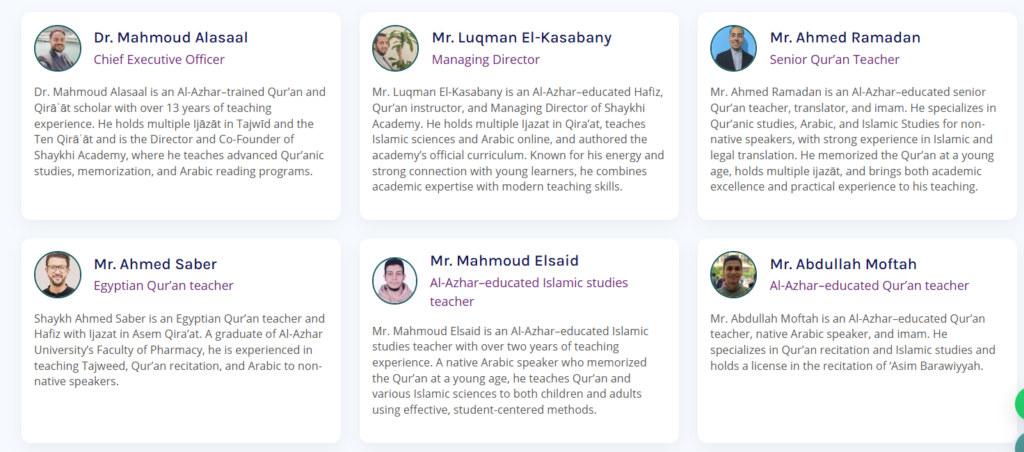
Consistent Quran Reading Trains Your Visual Focus
When you read the Quran regularly, your eyes undergo structured, repeated visual exercise. The Arabic script demands precise left-to-right tracking, recognition of diacritical marks (Harakat), and sustained near-focus — all of which actively engage and condition the visual system.
Arabic Script Reading Engages Specific Eye Muscles
Unlike reading English, Arabic Quranic text requires the eye to distinguish fine details — the difference between ب (Ba), ت (Ta), and ث (Tha) rests entirely on dot placement. This level of visual discrimination trains the ciliary muscles that control lens focus.
Over weeks of consistent practice, these muscles become more responsive and precise. Many beginners notice that prolonged reading becomes less strenuous as these muscles strengthen gradually through daily recitation.
Join Arabic Reading Practice Course With a Free Trial

Harakat Recognition Sharpens Near-Vision Precision
The Harakat — Fathah, Kasrah, Dhammah, Sukoon — are small marks placed above and below Arabic letters. Training your eye to identify them accurately at normal reading distance develops exceptional near-vision acuity.
This is why vision becomes better when you read the Quran consistently — the visual demand of Quranic script is uniquely intensive compared to everyday reading materials, creating measurable visual conditioning over time.
Read also: Benefits of Reading Quran
Proper Reading Posture Enhances Eye Health During Recitation
Poor posture during Quran reading is one of the most overlooked contributors to eye strain. Many beginners hold their Mushaf too close, creating unnecessary pressure on their visual system and causing fatigue that accumulates over sessions.
Correct Mushaf Distance Reduces Eye Strain Significantly
The recommended reading distance for any text, including the Quran, is approximately 35–40 centimeters from the eyes. At this distance, your eyes maintain a natural, relaxed focal length without overworking the ciliary muscles.
When students at The Quran Reading Academy are taught proper reading posture alongside their Online Quran Reading Course with Tajweed, instructors consistently observe improvements in session duration and reduced complaints of headaches and blurred vision.
Start Reading the Quran With Tajweed Today

Adequate Lighting During Quran Reading Protects Long-Term Vision
Reading the Quran in dim light forces your pupils to dilate excessively and your focusing muscles to overcompensate. Over time, this creates cumulative eye strain that can degrade visual comfort and clarity.
Always read under natural daylight or a well-positioned warm-toned reading lamp. Position the light source to your left if you are right-handed, preventing your hand from casting shadows across the script. This simple adjustment makes sustained recitation significantly more comfortable.
Read also: The Reward for Reading Quran
Building a Daily Quran Reading Routine That Supports Visual Health
Consistency matters more than duration. Reading for 15 focused minutes daily produces better visual conditioning than an hour of strained, unfocused recitation twice a week. Here is a practical Quran reading timetable:
| Time Block | Activity | Visual Benefit |
| Morning (Fajr) | 1–2 pages with Tajweed focus | Fresh eyes, optimal concentration |
| Midday | 5-minute review of previous lesson | Low-strain reinforcement |
| Evening (after Maghrib) | 1 page with slow, reflective pace | Wind-down visual rhythm |
Students enrolled in The Quran Reading Academy’s Quran Reading Classes follow structured session formats that respect these natural visual energy cycles, ensuring progress without fatigue.
Common Beginner Mistakes That Cause Eye Strain During Quran Reading
Understanding what harms visual comfort during recitation is just as important as knowing what helps it. These errors are correctable once identified.
a. Reading Too Fast Without Allowing the Eyes to Process Script
Speed-reading Arabic — especially for beginners who haven’t yet automatized letter recognition — forces the eyes to make rapid, inaccurate saccadic movements. This causes blurring, misreading, and significant fatigue.
Beginners using the Al-Menhaj Book are taught to read each word completely before moving to the next, building automatic letter recognition that later enables smooth, strain-free reading at a natural pace.
b. Skipping Harakat During Reading Weakens Visual Attention
When students ignore Harakat and guess vowels from context, they train their eyes to skim rather than read precisely. This habit weakens visual discrimination skills over time and directly contradicts the conditions under which vision becomes better when you read the Quran methodically.
Every Harakah must be consciously identified and vocalized correctly. This discipline builds the same visual precision that makes Quran readers notice improvements in their general reading acuity over weeks and months of practice.
Start Your Quran Learning Journey Today
Join Quran Reading Academy and begin structured, step-by-step Quran reading with expert guidance.
Try your first class for freeStart Reading the Quran Correctly with The Quran Reading Academy
The evidence is clear — vision becomes better when you read the Quran with proper method, posture, and consistency. The Quran Reading Academy gives you the structured guidance to make that happen and read the Quran correctly through:
- Certified, native Arabic-speaking instructors with years of teaching experience
- Flexible scheduling for all time zones and age groups
- Al-Menhaj Book for complete beginners starting from zero
- Tajweed-integrated reading instruction from the first lesson
- Courses for kids, adults, sisters, and new Muslims
Check out our top courses to help you read the Quran with confidence:
- Quran Reading Course With Tajweed
- Noorani Qaida Course
- Quran Reading Course for Beginners
- Quran Reading Classes for Adults
- Quran Reading Classes for Sisters
- Quran Reading Classes for Kids
- Quran Hifz Course
- Arabic Reading Practice Course
- Quranic Arabic Course
Book your free class today—it’s the perfect start to learning the Quran

Conclusion
Consistent, properly structured Quran reading trains the visual muscles through Arabic script discrimination, Harakat recognition, and Tajweed pacing — all of which condition the eyes in ways that passive reading never achieves. The physical benefits reinforce what Islamic tradition has long affirmed about Quranic healing.
Correct posture, appropriate Mushaf distance, and adequate lighting are foundational habits that protect long-term visual health during recitation. These practical adjustments, paired with deliberate Tajweed application, make sustained daily reading both spiritually rewarding and visually beneficial.
Vision becomes better when you read the Quran not as a passive claim, but as an observable outcome of disciplined, consistent, and correctly practiced recitation. Begin with structure, maintain consistency, and trust the process — Insha’Allah, the benefits will follow in ways that go far beyond the page.
Related Articles
benefits of reading quran


Leave a Reply