 How to read Quran
Quran recitation sits at the crossroads of devotion and precision. A single sound can elevate meaning—or quietly distort it. Many sincere readers struggle not from neglect, but from unseen technical slips that settle into habit without guidance or correction.
Correct recitation depends on articulation points, Tajweed rules, pauses, pacing, and vowel accuracy. When any element weakens, meaning, rhythm, and spiritual depth suffer. Recognizing these recurring mistakes opens the door to structured correction, steady improvement, and recitation that reflects both accuracy and reverence.
1. Mispronouncing Arabic Letters Is Among Common Mistakes When Reading the Quran
Mispronouncing Arabic letters represents the most fundamental error in Quran recitation. Many non-Arabic speakers confuse similar-sounding letters, creating entirely different meanings. This mistake stems from lacking proper articulation point (Makhraj) training.
The Arabic alphabet contains sounds absent in most languages. Letters like ع (Ain), ح (Haa), ص (Saad), and ض (Daad require specific throat and tongue positions. Without proper guidance, learners often substitute these with familiar sounds from their native language.
For example, many confuse ث (Tha) with س (Seen) or ذ (Dhal) with ز (Zay). The word ثَلَاثَة (Thalathah – three) becomes “Salasah” when pronounced incorrectly. Similarly, ذِكْر (Dhikr – remembrance) transforms into “Zikr,” altering the Quranic text.
Understanding Arabic Letter Articulation Points
Arabic letters emerge from seventeen specific articulation points. The throat alone produces six distinct letters: ء, ه, ع, ح, غ, and خ. Each requires precise positioning of tongue, throat muscles, and airflow control.
Heavy letters (Tafkheem) like ط, ظ, ص, and ض demand tongue elevation toward the palate. Light letters maintain a relaxed tongue position. Confusing these categories fundamentally changes how Quranic words sound and feel during recitation.
Common Letter Substitution Errors
Students frequently replace challenging Arabic sounds with easier alternatives. The letter ق (Qaaf) becomes ك (Kaaf), changing قَلْب (Qalb – heart) into “Kalb” (dog). This substitution creates embarrassing and theologically problematic meanings.
The emphatic letters require particular attention. When learners don’t distinguish ص from س, the word صَلَاة (Salah – prayer) loses its proper Quranic pronunciation. Regular practice with qualified instructors prevents these substitutions from becoming permanent habits.
The Quran Reading Academy’s Noorani Qaida Course systematically addresses this issue through specialized Makharij training. Certified instructors use mirror techniques and visual demonstrations to establish correct pronunciation from day one.
Start Reading the Quran Today with Our Noorani Qaida Course

2. Ignoring Tajweed Rules Causes Common Mistakes When Reading the Quran
Tajweed rules ensure Quranic recitation matches how Prophet Muhammad ﷺ received and taught it. Ignoring these rules doesn’t just affect beauty—it can alter intended meanings. Many learners rush through verses without applying essential Tajweed principles.
The rules of Noon Sakinah and Tanween alone have four categories: Idhaar, Idgham, Iqlab, and Ikhfa. Each triggers different pronunciation based on the following letter. Reading without this knowledge produces incorrect Quranic recitation, regardless of letter pronunciation accuracy.
Consider this verse:
مِنْ خَيْرٍ
Min khairin
“Of good” (Al-Baqarah 2:110)
The Noon Sakinah before خ requires Idhaar (clear pronunciation). Many learners incorrectly nasalize or merge it, violating Tajweed fundamentals that preserve Quranic recitation integrity.
Neglecting Madd Duration Requirements
Madd (elongation) rules specify exact vowel extension lengths. Natural Madd extends two counts, while connected Madd extends four to five counts. Disconnected Madd may extend six counts based on recitation style.
Students commonly rush through elongations or extend them inconsistently. The word الْمَآءَ (Al-Maa – the water) requires proper Madd application. Shortening it sounds hurried and disrespectful to the sacred text.
Misapplying Qalqalah Rules
Qalqalah creates a bouncing echo on five letters: ق، ط، ب، ج، د when they carry Sukoon. This rule adds vibrancy and rhythm to recitation. However, many learners either skip this bounce entirely or apply it to wrong letters.
The verse وَلَقَدْ خَلَقْنَا (Walaqad khalaqna) contains multiple Qalqalah opportunities. Without proper application, the recitation loses its distinctive Quranic sound. Regular Quran Tajweed Course practice ingrains these patterns naturally.
Online Quran Reading Course with Tajweed provides structured training in Madd recognition and application. Students practice with recorded examples and receive real-time correction from certified Qaris.
Start Reading the Quran With Tajweed Today

3. Incorrect Stopping and Starting Creates Common Mistakes When Reading the Quran
Stopping (Waqf) and starting (Ibtida) at wrong places distorts Quranic meanings. Proper pause points preserve grammatical integrity and theological accuracy. Many learners stop wherever breath runs out, creating nonsensical or contradictory meanings.
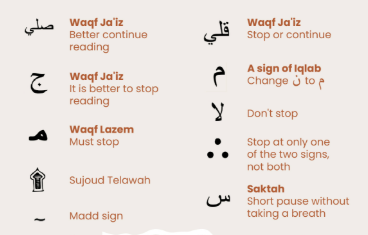
Quranic text contains specific stop signs: (Waqf Lazim – must stop), (Waqf Ja’iz – permissible stop), and (Waqf Mamnoo – forbidden stop). Ignoring these indicators leads to meaning disruptions that certified instructors immediately recognize and correct.
Understanding Waqf Categories and Applications
Complete stop (Waqf Taam) occurs where meaning fully concludes. Sufficient stop (Waqf Kaafi) allows continuation but meaning is clear. Permissible stop (Waqf Ja’iz) offers flexibility based on breath capacity and recitation flow.
Improper stopping can completely reverse intended meanings.
Restarting After Pauses Incorrectly
After stopping, resuming must maintain grammatical and theological continuity. You cannot restart mid-sentence or mid-phrase in ways that corrupt meaning. Some pauses require backing up several words to maintain proper context.
Beginning instructors often restart exactly where they stopped, even when grammatically incorrect. Learning proper Ibtida rules requires understanding Arabic sentence structure and Quranic grammatical patterns that Quranic Arabic Course systematically develops.
Quran Recitation Course dedicates specific modules to Waqf identification and practice. Students learn to recognize pause points naturally while maintaining proper breath control throughout longer verses.
Join Our Quran Recitation Course with a Free Trial

4. Rushing Through Verses Represents Frequent Quran Reading Mistakes
Speed without proficiency damages recitation quality and comprehension. Many learners race through verses, believing faster recitation shows capability. This approach sacrifices pronunciation clarity, Tajweed application, and spiritual connection.
The Prophet Muhammad ﷺ recited in a measured, deliberate manner called Tarteel. Each letter received its due right, each rule its proper application. Hadith collections describe his recitation as clear, where listeners could count each letter.
The Quran Reading Academy emphasizes quality over quantity through graduated pacing exercises. Beginners start extremely slow, ensuring every sound emerges correctly. Speed develops naturally after technical mastery establishes itself.
Sacrificing Clarity for Speed
Rushing causes letter merging, Tajweed rule skipping, and articulation point confusion. The word يَعْمَلُونَ (Ya’maloon – they do) becomes an indistinct blur rather than clearly articulated syllables.
Missing Spiritual Reflection Opportunities
Rapid recitation prevents Tadabbur (reflection) on meanings and messages. Allah commands:
كِتَـٰبٌ أَنزَلْنَـٰهُ إِلَيْكَ مُبَـٰرَكٌۭ لِّيَدَّبَّرُوٓا۟ ءَايَـٰتِهِۦ
Kitabun anzalnahu ilayka mubarakun liyaddabbaru ayatihi
“[This is] a blessed Book which We have revealed to you, [O Muhammad], that they might reflect upon its verses” (Saad 38:29)
Measured recitation allows meaning absorption and heart softening. Reading and Memorizing the Quran Course balances technical proficiency with spiritual engagement through guided reflection sessions.
5. Neglecting Harakat Marks Leads to Common Mistakes When Reading the Quran
Harakat (vowel marks) determine word meanings and grammatical functions. Ignoring Fatha, Kasra, Damma, Sukoon, Tanween, and Shaddah creates chaos in recitation. Many beginners skip these marks entirely, guessing at pronunciations.
The same Arabic root letters produce entirely different meanings based on Harakat placement. The three letters ع-ل-م create multiple words: عَلِمَ (Alima – he knew), عُلِمَ (Ulima – it was known), عِلْم (Ilm – knowledge), عَلَّمَ (Allama – he taught).
Confusing Fatha, Kasra, and Damma
These three short vowels fundamentally affect pronunciation. Fatha creates an “a” sound, Kasra produces “i,” and Damma generates “u.” Mixing these vowels changes Quranic words into different words or complete nonsense.
The word حَسَدٍ (Hasad – envy) with Fatha becomes entirely different from حُسُد which doesn’t exist. Precision in vowel recognition and application requires systematic training that Noorani Qaida Course provides through graduated exercises.
| Harakat | Symbol | Sound | Example | Meaning |
| Fatha | َ | “a” | كَتَبَ | He wrote |
| Kasra | ِ | “i” | مِنْ | From |
| Damma | ُ | “u” | قُلْ | Say |
Overlooking Sukoon and Shaddah Importance
Sukoon (ْ) indicates no vowel, creating stops and consonant clusters. Shaddah (ّ) doubles consonant emphasis. Together, they create Quranic recitation’s distinctive rhythm and flow.
Many learners pronounce letters with Sukoon as if they carry vowels. The word قُلْ (Qul – Say) becomes “Qulu” when Sukoon is ignored. Similarly, missing Shaddah weakens emphasis Allah specifically commanded.
Start Your Quran Learning Journey Today
Join Quran Reading Academy and begin structured, step-by-step Quran reading with expert guidance.
Try your first class for free6. Incorrect Ghunnah Application Is Among Quran Reading Mistakes
Ghunnah represents nasalization from the nose, lasting two counts. It occurs with Noon Mushaddadah (نّ), Meem Mushaddadah (مّ), and during certain Noon Sakinah and Tanween rules. Many learners either skip Ghunnah completely or apply it incorrectly.
Proper Ghunnah creates melodious recitation while fulfilling Tajweed requirements. The sound originates from nasal passages, not the throat or mouth. Without training, students struggle to produce this distinct nasal resonance.
Consider:
إِنَّ ٱللَّهَ
Innallaha
“Indeed, Allah” (Common Quranic phrase)
The doubled Noon requires clear Ghunnah. Skipping this nasalization or producing it weakly violates fundamental Tajweed principles that distinguish correct from incorrect recitation.
Distinguishing Between Ghunnah Types
Complete Ghunnah occurs with Noon and Meem Mushaddadah, always lasting two counts. Incomplete Ghunnah appears during Ikhfa and Idgham rules, varying slightly in application based on following letters.
Common Ghunnah Duration Errors
Students frequently rush through Ghunnah, reducing it below required two counts. Others over-extend it, creating unnatural and exaggerated nasalization. Both extremes disrupt recitation flow and Tajweed accuracy.
7. Mispronouncing Heavy and Light Letters Creates Quran Reading Mistakes
Arabic letters divide into heavy (Mufakhkham) and light (Muraqaq) categories. Heavy letters require tongue elevation and fuller mouth resonance. Light letters maintain relaxed articulation. Confusing these categories fundamentally alters Quranic recitation character.
The seven heavy letters are: خ، ص، ض، غ، ط، ق، ظ. All other letters are light unless specific conditions apply. The letter ر and ل have conditional heaviness based on surrounding vowels.
Understanding Tafkheem and Tarqeeq Application
Tafkheem (heaviness) thickens sound through tongue elevation toward the soft palate. Tarqeeq (lightness) keeps the tongue relaxed and lowered. These qualities distinguish Quranic Arabic from conversational Arabic pronunciation.
The word صَلَاة (Salah) requires heavy ص pronunciation. Making it light transforms the Quranic recitation into incorrect casual speech. Consistent heaviness practice develops the muscle control necessary for automatic correct production.
| Letter Category | Letters | Tongue Position | Example |
| Always Heavy | ص، ض، ط، ظ | Elevated | صِرَاطَ |
| Always Light | Most letters | Relaxed | نِعْمَةَ |
| Conditional | ر، ل | Varies | رَبِّ |
8. Ignoring Idgham Rules Causes Common Mistakes When Reading the Quran
Idgham (merging) occurs when Noon Sakinah or Tanween meets specific letters, creating smooth letter blending. Six letters trigger Idgham: ي، ر، م، ل، و، ن. Four include Ghunnah, while two omit it. Missing these mergers disrupts recitation flow.
Many learners pronounce Noon separately before Idgham letters, creating awkward separation. Proper application merges the Noon into the following letter seamlessly. This merging distinguishes trained reciters from untrained readers.
Idgham with Ghunnah Application
Four letters (ي، ن، م، و) require Idgham with complete Ghunnah. The Noon merges while nasalization continues for two counts. Example:
مَن يَعْمَلْ
Maiy-ya’mal
“Whoever does” (Az-Zalzalah 99:7)
The ن merges into ي while maintaining nasal resonance. Separating them or skipping Ghunnah represents clear technical errors that Quran Tajweed Course systematically corrects.
Idgham without Ghunnah Recognition
Letters ر and ل trigger Idgham without Ghunnah. The merger occurs without nasalization, creating smooth transition. The word combination مِن رَّبِّهِمْ (Min Rabbihim) shows complete merger without nasal component.
Students often incorrectly add Ghunnah to all Idgham situations. Understanding which letters require nasalization prevents this common mistake and demonstrates technical Tajweed knowledge.
9. Neglecting Continuous Practice Leads to Common Mistakes When Reading the Quran
Irregular practice prevents muscle memory development and rule internalization. Quran reading requires daily engagement to maintain proficiency. Many learners practice intensively then abandon it, causing skill deterioration and error reappearance.
Consistency matters more than duration. Twenty minutes daily surpasses two-hour weekly sessions for building lasting capability. Regular exposure reinforces correct pronunciation, strengthens Tajweed application, and develops natural recitation rhythm.
The Quran Reading Academy recommends structured daily practice schedules. Even ten minutes of focused review maintains progress and prevents backsliding. Certified instructors provide accountability and motivation for consistent engagement.
Building Sustainable Practice Habits
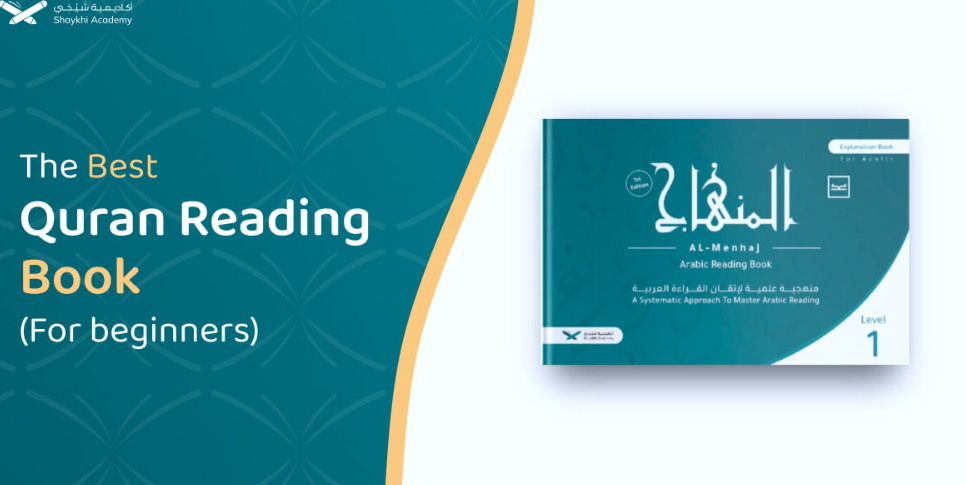
Start with achievable commitments—five to ten minutes daily. Gradually increase as habits solidify. Practice same time daily to establish routine. Use Al-Menhaj Book structured lessons for guided daily progression.
Explore The Best Quran Reading Book
Morning practice after Fajr offers spiritual benefits and mental freshness. Evening review before sleep reinforces daily learning. Choose timing that fits your schedule and stick to it consistently.
Tracking Progress and Identifying Patterns
Record recitations weekly to hear improvement and identify persistent mistakes. Many errors become invisible to us but obvious in recordings. This self-awareness accelerates correction and builds motivation through visible progress.
Start Your Quran Learning Journey Today
Join Quran Reading Academy and begin structured, step-by-step Quran reading with expert guidance.
Try your first class for freeStart Correcting Your Quran Reading Mistakes with The Quran Reading Academy
Identifying mistakes represents the first step toward beautiful, correct Quran recitation. The Quran Reading Academy provides expert guidance through certified instructors who understand non-Arabic speakers’ unique challenges.
Our comprehensive courses address every mistake mentioned above through:
- One-on-one sessions with certified Qaris for personalized correction
- Structured curriculum using proven Al-Menhaj Book methodology
- Flexible scheduling accommodating students worldwide
- Progress tracking ensuring measurable improvement
Experience how professional instruction transforms your recitation from error-filled struggle to confident, beautiful Quranic reading. Start your journey toward Tajweed mastery with instructors who genuinely care about your success.
Check out our top courses to help you read the Quran with confidence:
- Quran Reading Course With Tajweed
- Noorani Qaida Course
- Quran Reading Course for Beginners
- Quran Reading Classes for Adults
- Quran Reading Classes for Sisters
- Quran Reading Classes for Kids
- Quran Hifz Course
- Arabic Reading Practice Course
- Quranic Arabic Course
Book your free class today—it’s the perfect start to learning the Quran

Conclusion
Accurate Quran reading rests on mastering fundamentals: correct letter articulation, disciplined Tajweed application, proper stopping and starting, and measured pacing. Each rule protects meaning and preserves the sound of revelation as it was received and transmitted.
Vowel marks, heaviness distinctions, Ghunnah, and Idgham are not ornamental details. They shape grammar, intent, and rhythm. Ignoring them leads to cumulative errors, while focused training transforms hesitation into confident, consistent recitation.
Sustained progress depends on regular practice under qualified supervision. With structured lessons, daily repetition, and corrective feedback, mistakes fade, fluency grows, and recitation becomes both technically sound and spiritually present.
Related Articles
How to read Quran

Leave a Reply